

Palma Cathedral
About
Palma Cathedral or La Seu is one of the most popular symbols of Mallorca. This architectural wonder stands elegantly on the shores of the Mediterranean with Gothic grandeur combined with beautiful seascape views. Get a 5% discount with promo code MALLOR5.
Palma Cathedral (La Seu) is a spectacular Gothic cathedral by the sea in Palma de Mallorca, and this guide explains exactly what it is, where it is, what to see inside, and how to visit with tickets and opening hours. As one of the top sights in Mallorca and the Balearic Islands, the Cathedral of Santa Maria of Palma is a must‑see for anyone visiting Palma de Mallorca’s old town.
What is Palma Cathedral (La Seu)?
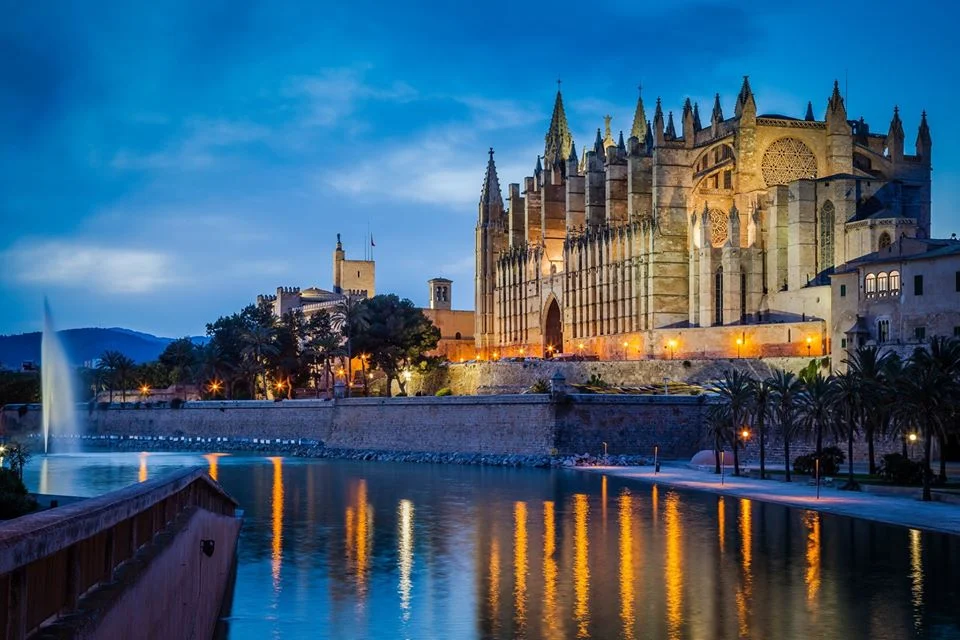
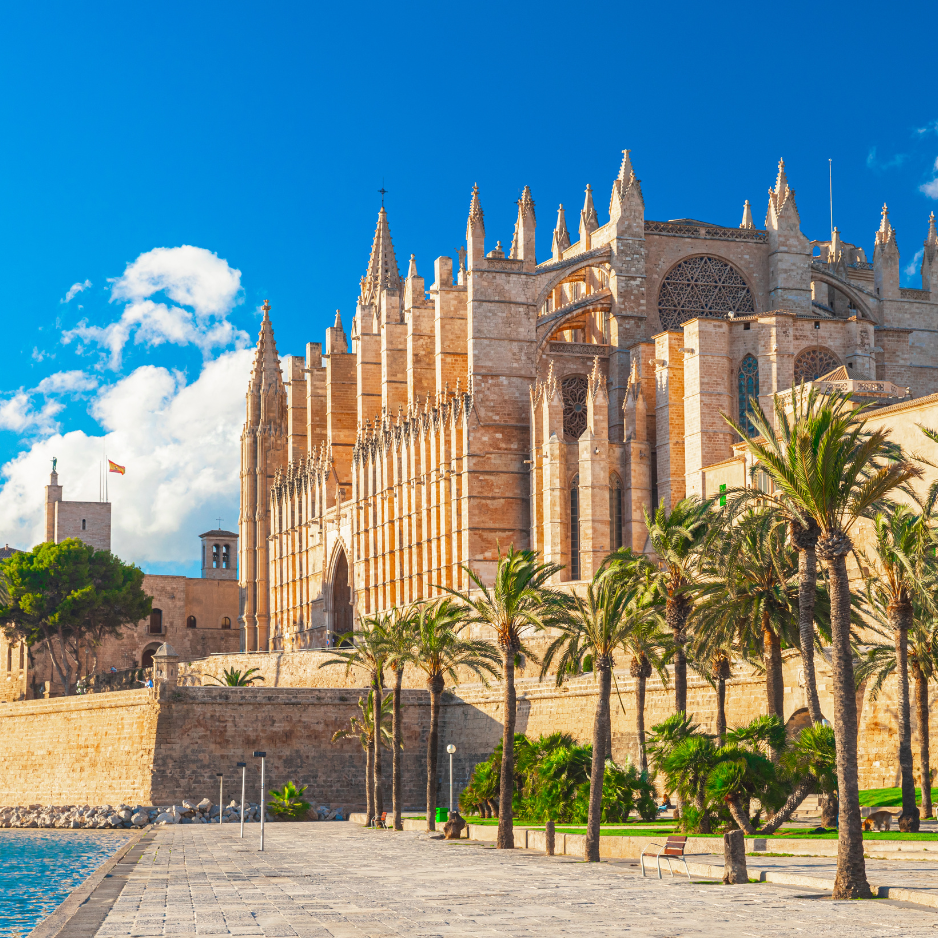
Palma Cathedral, officially the Cathedral of Santa Maria of Palma and often called La Seu, is a monumental Gothic Roman Catholic cathedral in Palma de Mallorca, Spain. Built on the site of the former main mosque of Medina Mayurqa after the Christian conquest, it is the most famous church in Mallorca and one of the most impressive Gothic cathedrals in Europe.
The cathedral is renowned for its towering Gothic nave, giant rose windows and dramatic position overlooking the Bay of Palma, which is why it is sometimes called the “Cathedral of the Sea” on Mallorca. Today, it is both an active place of worship and one of the most visited cultural attractions in the Balearic Islands.
Location in Palma de Mallorca
La Seu stands in the historic centre of Palma de Mallorca, on Plaça de la Seu, directly above Parc de la Mar and the seafront. It sits next to the Royal Palace of La Almudaina and close to the old city walls, making it very easy to combine with a walk through Palma’s old town streets, shops and cafés.
Because the cathedral is so close to the harbour and main roads, it is one of the first landmarks visitors see when arriving in Palma by cruise ship, car or bus. Its seafront position also makes it a key stop on most “things to do in Palma de Mallorca” and “top sights in Mallorca” itineraries.
History and construction
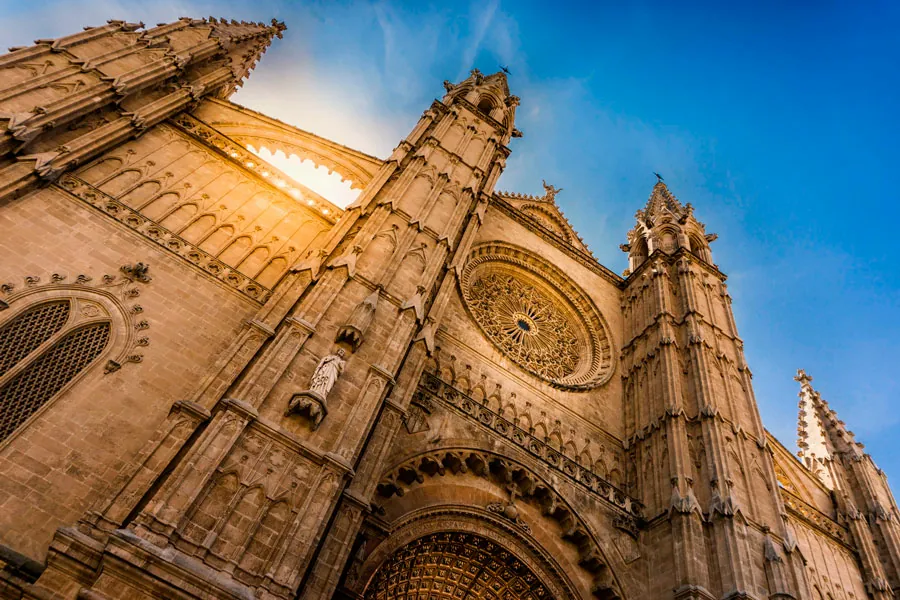
Construction of Palma Cathedral began around 1230, after King Jaume I of Aragón vowed during a storm at sea to build a great church in honour of the Virgin Mary if he safely reached Mallorca. Work continued for centuries, with the main structure completed in the early 17th century and later modifications in the 19th and 20th centuries refining façades and interior details.
The cathedral is a prime example of Mediterranean Gothic architecture, but it also includes later Renaissance, Baroque and Modernist elements due to its long construction and restoration history. In the early 1900s, Antoni Gaudí was invited to redesign parts of the interior, and in recent decades the Mallorcan artist Miquel Barceló contributed a striking contemporary chapel.
Architecture, interior and light
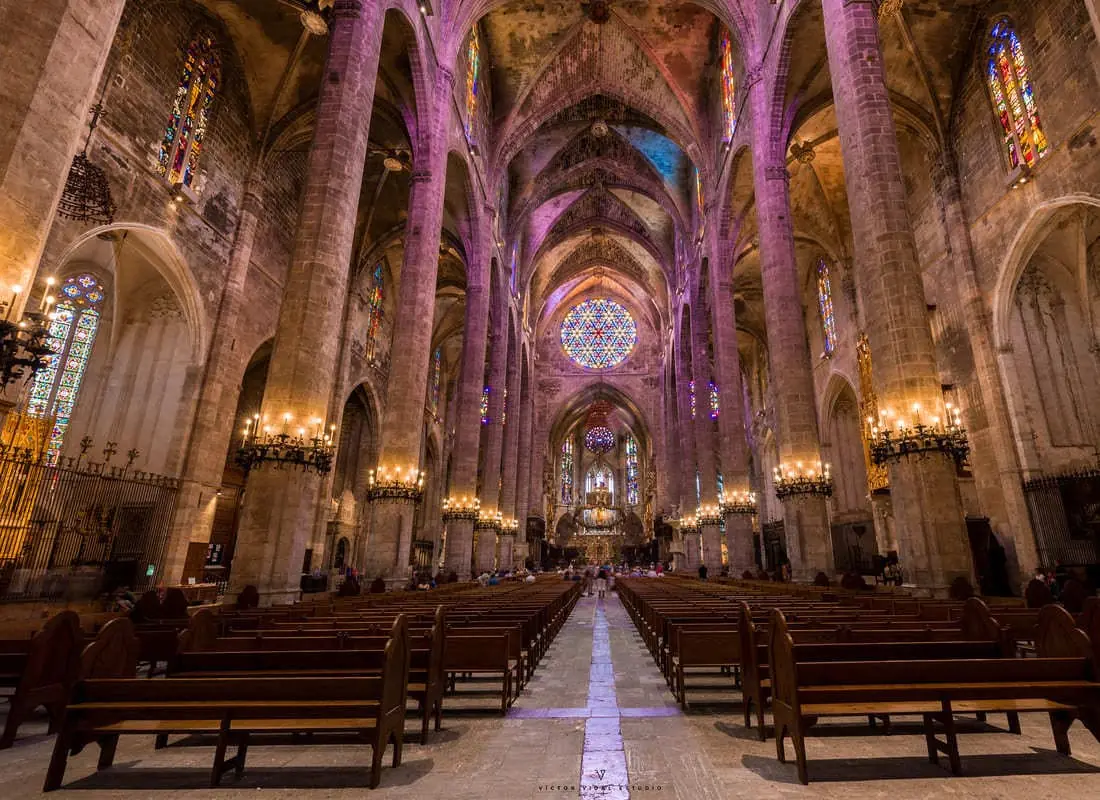
Palma Cathedral is famous for its extraordinary height and light: the central nave rises to around 40–44 metres, making it one of the tallest Gothic naves in the world. The slender columns and large windows create a feeling of verticality and openness that is unusual even among major Gothic cathedrals in Europe.
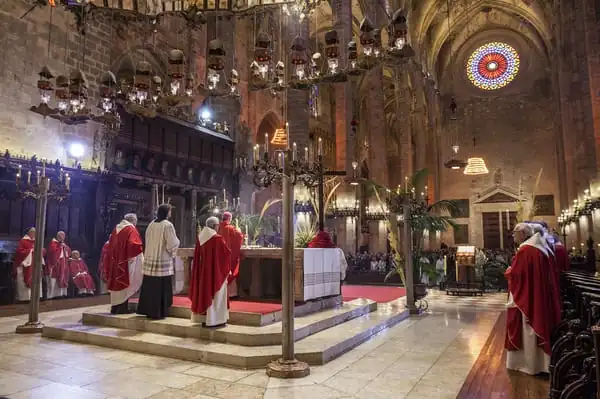
One of the most spectacular features is the main rose window, often called the “Eye of the Gothic”, with a diameter of nearly 14 metres and filled with colourful stained glass. On certain days of the year, the sunlight passing through the rose windows creates special light phenomena inside the nave that attract photographers and architecture lovers.
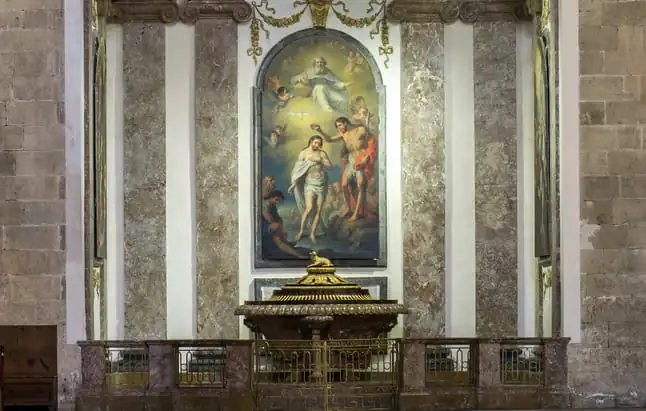
Inside, visitors can see Gaudí’s wrought‑iron baldachin above the main altar, adjusted choir stalls and improved lighting, which were part of his early 20th‑century interventions. In the Chapel of the Blessed Sacrament, Miquel Barceló’s contemporary ceramic and glass installation with marine motifs offers a striking contrast to the medieval stonework.
Top highlights inside Palma Cathedral
Top 5 highlights of Palma Cathedral La Seu in Palma de Mallorca:
- The soaring Gothic nave with one of the highest vaults of any Gothic cathedral.
- The huge main rose window and other stained‑glass windows that fill the interior with coloured light.
- Antoni Gaudí’s altar baldachin and interior reordering from the early 1900s.
- The Trinity Chapel, where Kings Jaume II and Jaume III of Mallorca are buried.
- The Barceló chapel, a contemporary artwork by Miquel Barceló inspired by the sea and biblical scenes.
In addition, visitors can admire side chapels, historic altarpieces, the choir, the organ and small museum displays of liturgical objects and religious art from Mallorca. Together, these elements make La Seu one of the most artistically and historically rich churches in Spain.
Rooftop terraces and views
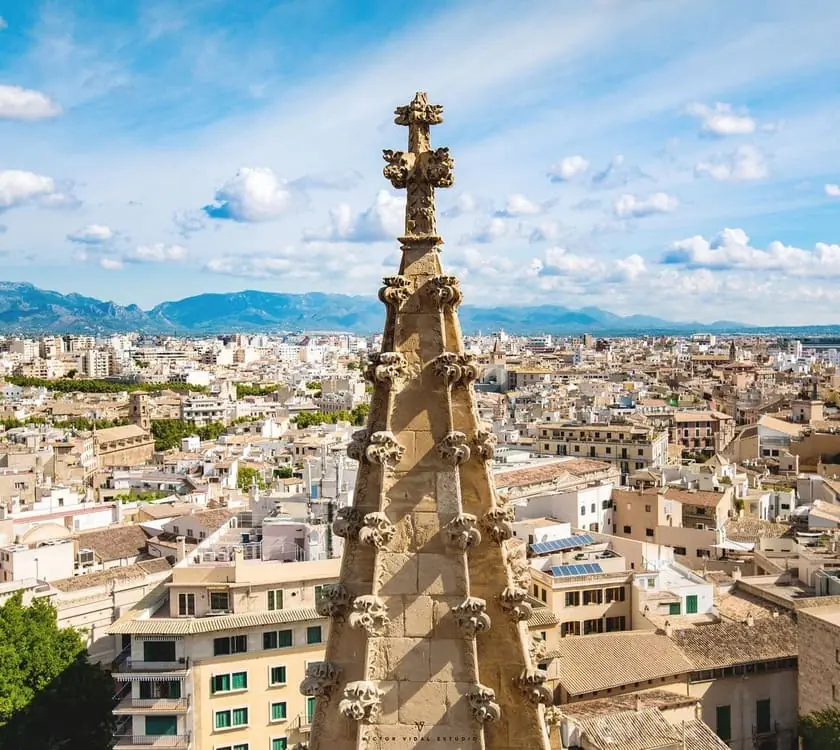
One of the most memorable experiences at Palma Cathedral is visiting the rooftop terraces when they are open to the public. Guided terrace tours allow visitors to climb to the upper levels, walk along the roof and get close to the rose window, pinnacles and flying buttresses.
From the terraces, there are spectacular panoramic views over Palma’s old town, the harbour, Parc de la Mar and the Bay of Palma, making it a favourite viewpoint for photos and sunset visits in Palma de Mallorca. Terrace access is usually seasonal and requires a separate ticket or time slot, so it is worth checking current availability and booking in advance.
How to visit: tickets, opening hours and dress code
Palma Cathedral La Seu has dedicated tourist visiting hours separate from times reserved for worship and services. Opening hours vary by season, but sightseeing typically starts in the morning (around 10:00) and finishes in the afternoon, with reduced hours on Saturdays and restricted access on Sundays and religious holidays.
There is an entrance fee for tourists, with different prices for general admission, combined tickets and terrace tours, while residents of the Balearic Islands may benefit from free or discounted entry with proof of residence. Audio guides and guided tours in several languages are available and help visitors understand the history, architecture and symbolism of the cathedral in Palma de Mallorca.
As an active church, Palma Cathedral has a modest dress code, and visitors are asked to dress respectfully, covering shoulders and avoiding beachwear. Photography is generally allowed for personal use, but tripods and flash may be restricted, especially during services or special events.
Frequently Asked Questions
What is Palma Cathedral (La Seu) in Palma de Mallorca?
Palma Cathedral, also known as La Seu, is the Gothic Roman Catholic cathedral of Santa Maria located in the historic centre of Palma de Mallorca, overlooking the bay and Parc de la Mar on the island of Mallorca in Spain.
Where is Palma Cathedral located and how do you get there?
La Seu stands on Plaça de la Seu next to the Royal Palace of La Almudaina in Palma’s old town, a short walk from the harbour and easily reached on foot, by city bus or by car from other parts of Mallorca.
Why is Palma Cathedral famous?
Palma Cathedral is famous for its seafront position above the medieval walls, its exceptionally tall Gothic nave and its huge rose window, making it one of the most recognisable landmarks in Palma de Mallorca and the Balearic Islands.
How old is Palma Cathedral and when was it built?
Construction of the Cathedral of Santa Maria of Palma began in the 13th century after the conquest of Mallorca and continued for several centuries, with the main Gothic structure largely completed by the early 17th century.
What are the main things to see inside Palma Cathedral La Seu?
Highlights inside include the soaring central nave, the giant rose window, Gaudí’s altar baldachin, the Trinity Chapel with royal tombs and the contemporary Barceló chapel decorated with marine‑themed ceramics.
Can you visit the rooftops and terraces of Palma Cathedral?
On selected dates, visitors can book guided access to the rooftop terraces of La Seu, walking along the upper levels for close‑up views of the architecture and panoramic views over Palma de Mallorca and the bay.
What are the opening hours and ticket rules for Palma Cathedral?
Sightseeing hours for Palma Cathedral vary by season but usually run from morning to afternoon on weekdays and Saturdays, with an entrance fee for tourists and possible reductions for residents of the Balearic Islands.
Is there a dress code to visit Palma Cathedral in Palma de Mallorca?
As an active church, the cathedral asks visitors to dress modestly, avoiding swimwear and very revealing clothing, and to behave respectfully during services and while moving through the building.
Is Palma Cathedral accessible for people with reduced mobility?
The main interior of La Seu offers adapted access for visitors with reduced mobility, although some historic areas such as the rooftops and certain side spaces may have limited accessibility due to steps and narrow passages.
How long should you plan for a visit to Palma Cathedral La Seu?
Most visitors recommend planning around 1 to 2 hours to see the interior, chapels and museum areas, and a bit more time if you also visit the terraces or use an audio guide in Palma de Mallorca.
What can you do on a rainy day in Palma de Mallorca?
On a rainy day in Palma de Mallorca, visiting Palma Cathedral (La Seu) is an excellent option, as you can spend time indoors exploring its Gothic architecture, stained‑glass windows and chapels in the historic old town. By booking your cathedral tickets online via mallorcard.es, you can benefit from a special discount on the entrance price.
What can families do in Palma de Mallorca when the weather is bad?
When the weather is bad, many families choose Palma Cathedral as a cultural activity in the centre of Palma, where children and adults can discover the history of Mallorca, kings’ tombs and impressive rose windows under cover. Families can reduce their costs by reserving tickets online for Palma Cathedral through mallorcard.es, where discounted prices are available.
What are good indoor activities for children and adults in Palma de Mallorca?
A visit to Palma Cathedral La Seu is one of the best indoor activities for both children and adults, combining shelter from the rain with an impressive Gothic interior, art and panoramic views if the terraces are open. Booking your visit online on mallorcard.es gives you access to reduced‑price tickets for the cathedral, making this cultural stop even better value.
What is a good plan in Palma de Mallorca if the weather is not good for the beach?
If the weather is not good for the beach, exploring Palma’s old town and Palma Cathedral is a classic plan, allowing you to enjoy architecture, history and views over Parc de la Mar and the bay while staying largely indoors. You can secure a better rate on Palma Cathedral tickets by purchasing them in advance on mallorcard.es with the available online discount.
What is Palma Cathedral famous for?
Palma Cathedral (La Seu) is famous for its dramatic seafront location in Palma de Mallorca, its exceptionally tall Gothic nave and one of the largest rose windows in the Gothic world, as well as interior work by Antoni Gaudí and Miquel Barceló.
How much time do you need to visit Palma Cathedral in Palma de Mallorca?
Most visitors spend around 1 to 2 hours exploring the interior of La Seu, and you may want extra time if you visit the terraces, use an audio guide or explore the museum areas.
Can you visit the rooftops and terraces of Palma Cathedral?
Yes, rooftop terrace visits are offered on selected dates and usually require a separate ticket and time slot, giving access to panoramic views over Palma de Mallorca and close‑up views of the architecture.
Is Palma Cathedral accessible for people with reduced mobility?
The main interior of the cathedral offers adapted access, although some historic areas and the rooftop terraces may have limitations due to steps and narrow passages.
Why is Palma Cathedral also called La Seu?
“La Seu” is a traditional Catalan term used for bishop’s churches and cathedrals, and in Mallorca it has become the widely used name for the Cathedral of Santa Maria of Palma.
Videos
Catedral de Mallorca